Machine learning is fundamentally altering how technology interacts with users. By employing sophisticated algorithms, devices can learn and adapt to individual preferences. This capability enhances user experiences across various applications and services. As these systems become more intuitive, they streamline tasks and improve overall efficiency. The implications of these advancements are vast, raising questions about their impact on daily life and the potential for future developments in this domain.
Personal Assistants and Smart Devices
As technology continues to evolve, personal assistants and smart devices have become integral components of daily life.
Leveraging advanced voice recognition and context awareness, these systems enable users to interact seamlessly with their devices. By understanding spoken commands and the user’s environment, they enhance functionality and efficiency, ultimately granting individuals greater autonomy in managing tasks, thereby contributing to a more liberated lifestyle.
Enhanced User Experience in Apps
While many applications rely on traditional interfaces, the integration of machine learning significantly enhances user experience by personalizing interactions and optimizing functionality.
By analyzing user behavior, apps can adapt to individual preferences, creating adaptive interfaces that respond dynamically.
This evolution not only improves usability but also fosters greater engagement, allowing users to navigate seamlessly and derive maximum value from their applications.
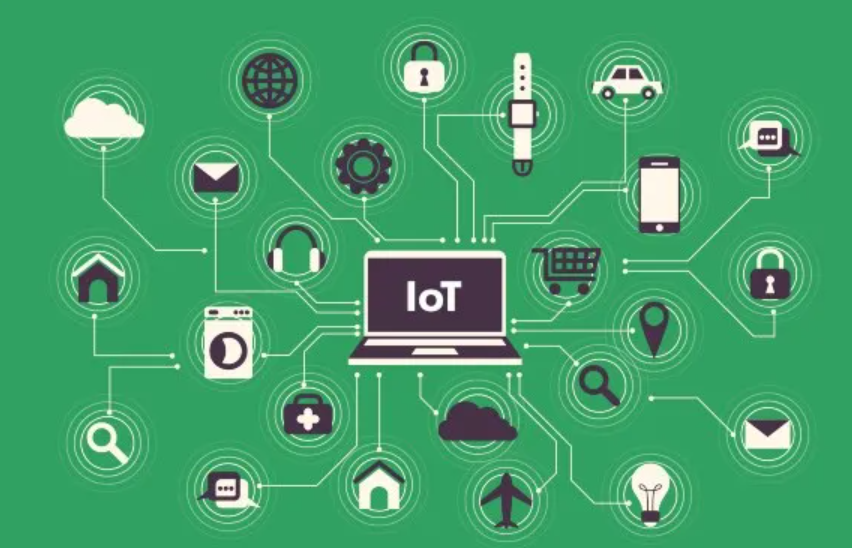
See also: How IoT Devices Communicate
Smart Home Automation
The integration of machine learning in smart home automation systems transforms traditional household management into a highly efficient, responsive environment.
Smart thermostats intelligently adjust heating and cooling based on user behavior, optimizing energy consumption.
Meanwhile, advanced security systems utilize machine learning algorithms to detect unusual activity, providing homeowners with enhanced safety.
This convergence of technologies fosters an empowered and liberated living experience.
Predictive Analytics in Everyday Services
Predictive analytics leverages machine learning techniques to enhance everyday services across various sectors, building on the efficiencies established by smart home automation.
By analyzing vast datasets, organizations can make data-driven decisions that anticipate customer behavior, optimizing service delivery.
This proactive approach not only improves user experience but also fosters a sense of autonomy, as individuals receive tailored solutions that align with their preferences and needs.
Conclusion
In summary, machine learning fundamentally transforms everyday technology, enhancing user experiences across various domains. For instance, a recent study revealed that smart home devices can reduce energy consumption by up to 30% through adaptive learning of user habits. This statistic underscores the profound impact of machine learning, illustrating how intelligent algorithms not only optimize efficiency but also foster sustainable living practices. Ultimately, the integration of machine learning into technology empowers users, creating a more intuitive and responsive digital landscape.

 By
By