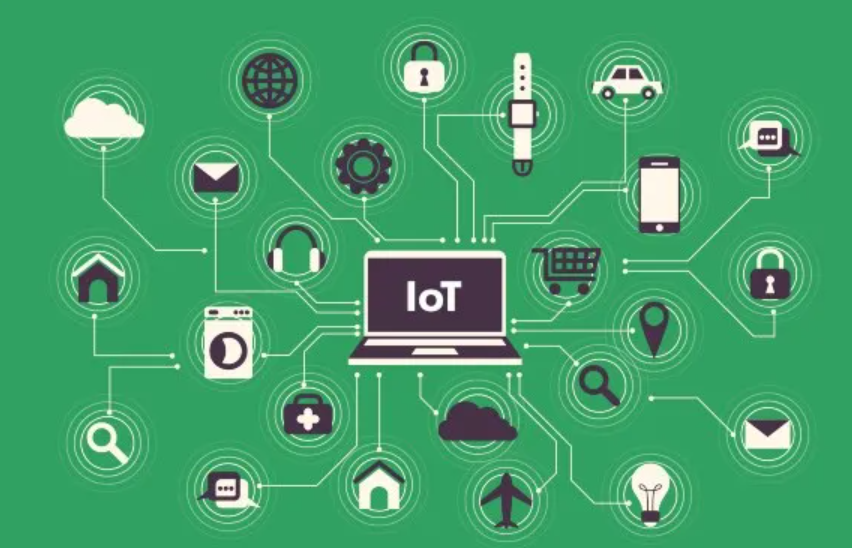
IoT devices rely on various communication protocols and wireless technologies to facilitate data exchange. These devices utilize standards such as LoRaWAN for long-range communication and Zigbee for short-range interactions. Data is formatted using established structures like JSON or XML, enhancing interoperability. However, the security of these communications is paramount, requiring robust encryption and access controls. Understanding these elements is crucial for grasping the complexities of IoT connectivity and its implications for future applications.
See also: How Internet Speed Affects User Experience
Communication Protocols in IoT
While the Internet of Things (IoT) continues to expand, the selection of appropriate communication protocols becomes crucial for ensuring device interoperability and efficient data exchange.
Protocol efficiency must be prioritized to minimize latency and conserve bandwidth.
Additionally, network scalability is essential to accommodate the growing number of devices, facilitating seamless integration and communication across diverse IoT ecosystems, thereby enhancing overall system performance.
Wireless Technologies for IoT Connectivity
As the demand for IoT solutions grows, various wireless technologies emerge to facilitate connectivity among devices.
LoRaWAN networks provide long-range communication with low power consumption, making them suitable for remote sensor applications.
In contrast, Zigbee protocols enable short-range communication, ideal for home automation and industrial control systems.
Both technologies enhance the flexibility and scalability of IoT ecosystems, supporting diverse use cases and user requirements.
Data Exchange Formats and Standards
Effective communication among IoT devices requires not only robust connectivity solutions but also standardized data exchange formats.
Data serialization formats, such as JSON and XML, facilitate structured data transfer, ensuring compatibility across diverse systems.
Message brokers play a crucial role in managing these communications, enabling efficient routing and delivery of messages, thus enhancing interoperability and promoting a seamless flow of information in IoT ecosystems.
Security Considerations for IoT Communication
Given the increasing integration of IoT devices into critical infrastructure and everyday applications, security considerations for IoT communication have become paramount.
Effective encryption methods protect data integrity during transmission, while robust access control mechanisms ensure that only authorized devices can communicate.
The combination of these strategies mitigates risks associated with unauthorized access and data breaches, fostering a secure environment for IoT ecosystems.
Conclusion
In conclusion, the communication landscape of IoT devices is characterized by a complex interplay of protocols, wireless technologies, and data formats, akin to the early days of the internet when dial-up connections defined connectivity. As IoT continues to evolve, the importance of robust security measures cannot be overstated, ensuring data integrity and privacy. Ultimately, the successful integration of these elements fosters an efficient, secure, and interoperable IoT ecosystem, paving the way for future innovations in the digital age.


 By
By